Integrating the Virginia Watercolor Package into Professional Creative Workflows
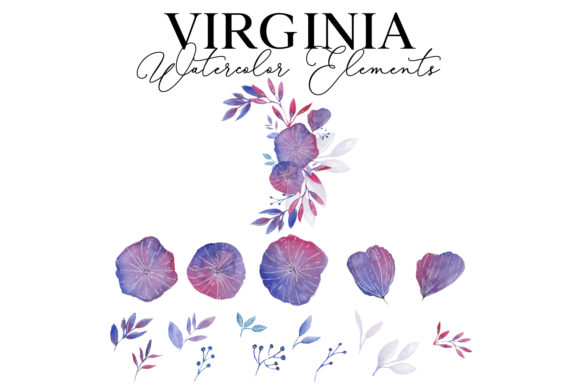
In the landscape of digital design and content creation, the gap between a conceptual idea and a polished final asset often comes down to the quality and versatility of the resources at hand. For professionals ranging from graphic designers and marketers to small business owners and educators, finding assets that balance aesthetic appeal with technical flexibility is a constant challenge. The Virginia Watercolor Package addresses this need by providing a curated collection of high-fidelity textures, elements, and illustrations designed to streamline the creative process. Unlike generic stock imagery that often requires heavy editing to fit a specific brand identity, this package is engineered for immediate integration into diverse workflows, offering a bridge between traditional artistic charm and modern digital efficiency.
Understanding where this package fits within a broader project lifecycle is essential for maximizing its value. It is not merely a folder of images to be used sporadically; rather, it serves as a foundational layer in the planning and execution phases of visual communication. Whether you are developing a brand identity, designing educational materials, or creating marketing collateral, the inclusion of watercolor elements can soften rigid corporate aesthetics and add a human touch that resonates with audiences. The key lies in viewing the Virginia Watercolor Package as a modular toolkit that adapts to the specific constraints and goals of your current task.
Technical Versatility and File Format Integration
The true utility of any digital asset library is defined by its compatibility with the tools you already use. The Virginia Watercolor Package Included -AI -EPS -SVG -PNG specification highlights a deliberate focus on workflow continuity. Each format serves a distinct purpose in the production pipeline, allowing creators to move seamlessly from concept to deployment without losing quality or editability.
For vector-based workflows, the inclusion of AI (Adobe Illustrator) and EPS files is critical. These formats allow professionals to manipulate individual elements, recolor strokes, and scale graphics infinitely without pixelation. This is particularly useful during the branding phase, where a logo or icon derived from the watercolor set might need to be adjusted to match specific Pantone codes or resized for everything from a business card to a billboard. The SVG format extends this flexibility to web environments, ensuring that watercolor accents remain crisp on high-resolution displays while maintaining small file sizes for faster page loading. Meanwhile, the PNG files offer ready-to-use raster images with transparent backgrounds, ideal for rapid prototyping, social media posts, or situations where vector editing software is unavailable.
This multi-format approach eliminates the friction often associated with converting files or dealing with resolution issues mid-project. By having access to both vector and raster versions, teams can ensure consistency across print and digital channels, a common pain point in marketing operations.
Strategic Application Across Project Phases
Implementing the Virginia Watercolor Package effectively requires understanding when to introduce these assets during a project. Its application varies significantly depending on whether you are in the ideation, production, or refinement stages.
Pre-Production and Mood Boarding
During the initial planning phase, watercolor textures can be instrumental in setting the tone for a project. Before a single line of code is written or a final layout is approved, designers can use the PNG textures to create mood boards that communicate a sense of organic warmth and creativity to stakeholders. This helps align expectations early, ensuring that the "hand-crafted" aesthetic is approved before significant resources are committed to execution. For entrepreneurs and marketers, this stage is crucial for defining brand personality; the soft edges and fluid colors of the Virginia collection can signal approachability and authenticity, differentiating a brand from competitors using sterile, geometric designs.
Active Design and Content Creation
Once the direction is set, the package moves into active production. Educators and publishers can utilize the SVG and AI files to create engaging worksheets, textbook illustrations, or presentation slides that capture student attention. The ability to isolate specific floral or abstract elements allows for the creation of custom borders, backgrounds, and dividers that make dense information more digestible. In the context of web design, developers can layer SVG watercolor splashes behind call-to-action buttons or headers to break up the monotony of standard grid layouts. Because the files are optimized, they integrate smoothly into content management systems without requiring extensive compression or optimization steps post-export.
Final Polish and Quality Control
In the final stages, the focus shifts to consistency and output quality. The high-resolution nature of the included assets ensures that print materials, such as brochures or packaging, maintain their integrity. A practical workflow tip here is to establish a style guide that dictates how the watercolor elements are applied. For instance, deciding on a standard opacity level or a specific blending mode for the textures ensures that the final deliverables look cohesive rather than cluttered. The availability of EPS files facilitates this by allowing pre-press checks to verify color separation and vector paths, reducing the risk of printing errors.
Optimizing Workflow Efficiency and Organization
To fully leverage the Virginia Watercolor Package, organization is paramount. A disorganized asset library can lead to wasted time searching for the right file or accidentally using a low-resolution version. Professionals should consider importing the AI and EPS files into their central design system's library or creating a dedicated folder structure that mirrors their project types. Tagging assets based on color palette, element type (e.g., foliage, abstract, wash), and intended use case can drastically reduce retrieval time.
Furthermore, integrating these assets into collaborative environments requires clear communication. When working with a team, ensure that everyone understands which file formats are appropriate for specific tasks. For example, instructing junior designers to use SVGs for web components and PNGs for social media drafts prevents unnecessary file conversions and maintains version control. This structured approach supports scalability; as a business grows, the ability to quickly deploy consistent visual assets becomes a competitive advantage.
Long-Term Value and Adaptability
The investment in a comprehensive package like this pays dividends over time through its adaptability. Trends in design shift frequently, but the underlying appeal of organic, hand-painted aesthetics tends to remain stable, especially in industries focused on wellness, education, and artisanal products. The Virginia Watercolor Package is not a single-use resource; it is a long-term asset that can be repurposed across multiple campaigns and years. As new platforms emerge, the presence of SVG and high-res PNG ensures compatibility with future technologies, protecting the user from obsolescence.
Moreover, the package encourages experimentation. Because the files are non-destructive and easily editable, creators can test variations without fear of ruining the original asset. This fosters a culture of innovation where marketers and designers feel empowered to try new layouts or color combinations, knowing they can revert or adjust instantly. This flexibility is crucial for agility in fast-paced markets where the ability to pivot visual strategies quickly can determine the success of a campaign.
Ultimately, the successful integration of the Virginia Watercolor Package hinges on viewing it as a strategic component of your creative infrastructure. By understanding the specific strengths of each file format and mapping them to the appropriate stages of your workflow, you can enhance the quality of your output while maintaining efficiency. Whether you are a freelancer managing tight deadlines or a large team coordinating complex deliverables, these assets provide the reliability and aesthetic depth needed to elevate your work. The result is a seamless blend of artistic expression and professional execution, delivering outcomes that resonate with audiences and stand the test of time.