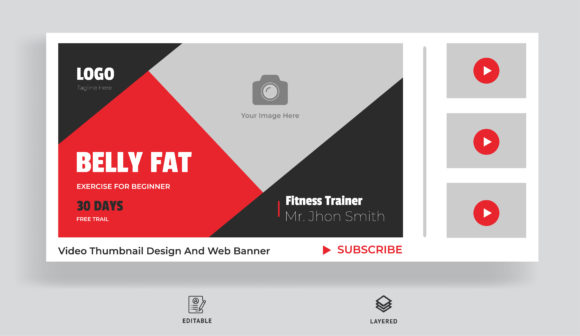
Mastering Fitness Thumbnail Design for Growth
In the crowded digital landscape of health and wellness, your content has mere seconds to make an impression before a viewer scrolls past. This is where strategic Fitness Thumbnail Design becomes the difference between a video gathering dust and one that goes viral. Whether you are running a high-intensity interval training (HIIT) channel, promoting a nutrition webinar, or selling an e-learning course on anatomy, the visual gateway to your content dictates your success. It is not merely about making things look pretty; it is about psychological triggers, brand consistency, and immediate communication of value.
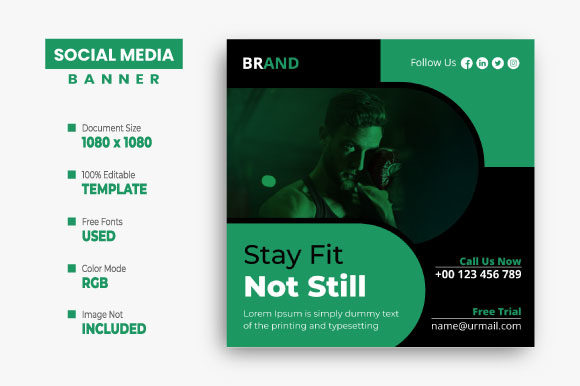
At its core, effective design for fitness media serves as a visual promise. When a potential client or student sees a gym exercise training class video thumbnail, they need to instantly understand the intensity, the target muscle group, and the expected outcome. A well-crafted image answers the question, "What will I get out of this?" before the user even clicks. For professionals, creators, and entrepreneurs, mastering this skill set translates directly into higher click-through rates (CTR), which signals to algorithms that your content is relevant and worthy of promotion.
The Anatomy of High-Performance Visuals
Successful Fitness Thumbnail Design relies on a specific set of characteristics that separate amateur graphics from professional assets. The most notable quality is clarity under pressure. Most users consume content on mobile devices where screen real estate is limited. Consequently, your web banner template for social media content must remain legible even when shrunk down to the size of a postage stamp. This requires bold typography, high-contrast color palettes, and uncluttered compositions.
Another critical strength lies in emotional resonance. Fitness is inherently emotional; it involves struggle, triumph, pain, and transformation. Your visuals should capture these elements. A static image of a person lifting a weight is functional, but an image capturing the strain on their face or the dynamic motion of a jump rope creates a connection. Using expressive facial cues and dynamic angles helps the viewer project themselves into the scenario. Furthermore, consistency builds trust. If your audience recognizes your specific style of news updates or educational slides immediately, they are more likely to engage because they know what quality to expect.
Diverse Applications Across Industries
The utility of these design principles extends far beyond YouTube workout videos. In the realm of e-learning, instructors creating courses on sports medicine or personal training certification rely on compelling thumbnails to drive enrollments. A dull cover image can kill the perceived value of a comprehensive curriculum, whereas a vibrant, action-oriented graphic suggests energy and up-to-date information.
Corporate wellness programs and internal presentation decks also benefit significantly from this approach. When HR departments or wellness coaches present data on employee health, using engaging visuals rather than dry charts increases retention and participation. Similarly, fitness bloggers and affiliate marketers use optimized web banner template for social media content to promote supplements, gear, or coaching services. In these commercial environments, the thumbnail acts as a silent salesperson, working 24/7 to convert passive scrollers into active leads.
Even traditional media outlets covering health news utilize these tactics to compete for attention in crowded newsfeeds. A story about a new study on cardiovascular health needs a thumbnail that screams urgency and relevance, ensuring the article reaches the people who need to read it.
Maximizing Engagement and Brand Authority
The benefits of investing time into Fitness Thumbnail Design are measurable and multifaceted. Primarily, it enhances usability and user experience. When a viewer can instantly identify the topic of a video or the focus of a blog post, their cognitive load decreases, making them more comfortable clicking. This efficiency leads to higher engagement metrics, which are crucial for algorithmic visibility on platforms like Instagram, TikTok, and YouTube.
From a branding perspective, consistent visual language establishes authority. If you are a certified trainer or a reputable health organization, your graphics should reflect professionalism. Sloppy design implies sloppy training methods or unreliable advice. Conversely, polished, intentional design signals that you care about details, which subconsciously assures the client that you will care about their results. This perception of quality allows creators to command higher prices for coaching, courses, and merchandise.
Moreover, effective design aids in storytelling. A series of thumbnails can create a narrative arc for a challenge or a transformation journey. By maintaining character continuity and stylistic themes across a playlist, you encourage binge-watching behavior, keeping users on your channel longer and deepening their relationship with your brand.
Practical Considerations for Implementation
When selecting or creating assets for your channel, there are several realistic factors to evaluate. First, consider the platform specifications. A gym exercise training class video thumbnail optimized for YouTube's 16:9 ratio will look cropped and awkward on Pinterest or Instagram Stories. Always adapt your web banner template for social media content to fit the native dimensions of each network to avoid amateurish stretching or cutting of key elements.
Second, balance aesthetics with honesty. While it is tempting to use exaggerated expressions or misleading "before and after" shots to grab attention, this erodes trust over time. Your design should be exciting but accurate to the content within. If the video is a gentle yoga flow, do not use a thumbnail featuring explosive plyometrics; you will attract the wrong audience and suffer from high drop-off rates.
Finally, leverage tools that streamline your workflow. Whether you use advanced software like Adobe Photoshop or accessible drag-and-drop builders, the goal is efficiency. Create a library of reusable elements—such as your logo placement, standard font choices, and background textures—to speed up production without sacrificing quality. Test different variations regularly. Try a bright background against a dark one, or a close-up face shot versus a full-body action shot. Data should drive your design decisions, not just intuition.
Ultimately, Fitness Thumbnail Design is an essential component of modern digital communication in the health sector. It bridges the gap between valuable content and the audience that needs it. By treating every image as a strategic asset rather than an afterthought, professionals and creators can elevate their brand, improve their reach, and deliver greater value to their communities. The effort put into refining these visuals pays dividends in engagement, loyalty, and long-term growth.