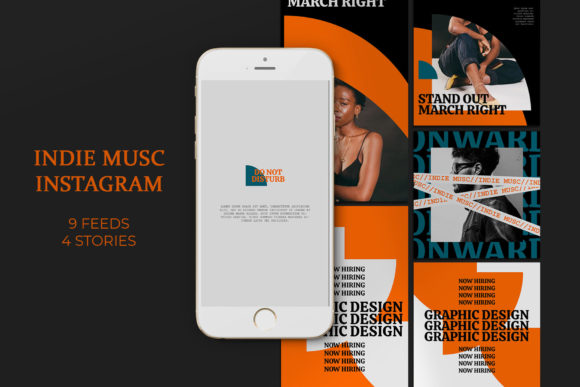
Evaluating Indie Musc Instagram Templates for Professional Social Media Design
In the current digital landscape, visual consistency is a primary driver of brand recognition on platforms like Instagram. For musicians, bands, and independent artists, maintaining a professional aesthetic without the budget for a full-time graphic designer presents a significant challenge. This is where specialized design resources, such as Indie Musc Instagram Templates, enter the workflow. These assets are not merely pre-made images; they are structured Photoshop (PSD) files designed to streamline the content creation process while retaining a high degree of creative control. Understanding the specific utility, technical requirements, and strategic fit of these templates is essential for artists deciding how to allocate their time and resources.
Defining the Asset: Structure and Technical Specifications
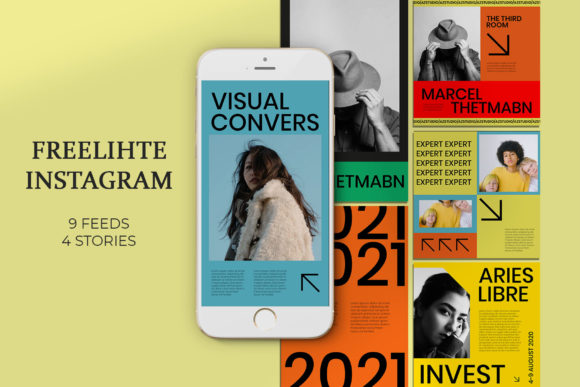
The term "Indie Musc" generally refers to a specific aesthetic often associated with independent music scenes—characterized by raw textures, bold typography, and a blend of modern and retro elements. When evaluating a template pack labeled under this style, the first consideration is the file architecture. High-quality packs, such as the one containing 13 PSD files, offer more than just a static background. They utilize Smart Objects, a critical feature in Adobe Photoshop that separates the design framework from the user's content.
The workflow for utilizing these templates is designed for efficiency. By double-clicking the layer icon within the image group, users can insert their own photography or artwork. Once the image is placed and saved (CTRL+S), it automatically updates within the main composition. This non-destructive editing method ensures that the original design integrity remains intact regardless of the source image used. Furthermore, technical specifications play a pivotal role in the final output quality. Professional templates typically operate at 300 DPI (dots per inch) in RGB color mode. While 72 DPI is standard for screen-only viewing, starting with a 300 DPI file ensures that the graphics remain crisp even if repurposed for print materials like flyers or posters later.
Resolution flexibility is another key differentiator. A robust template pack often includes multiple canvas sizes, such as 1200 x 1200 pixels for standard square posts and 1920 x 1080 pixels for stories or landscape headers. This versatility allows an artist to maintain a cohesive look across different sections of their social media profile without needing to redesign elements from scratch for each format.
Comparative Analysis: Templates vs. Custom Design and DIY Tools
When choosing a content creation strategy, artists generally weigh three main approaches: hiring a custom designer, using browser-based DIY tools, or utilizing premium PSD templates. Each option carries distinct tradeoffs regarding cost, time, and uniqueness.
Custom Design Services offer the highest level of uniqueness but come with significant costs and turnaround times. For an emerging indie artist, commissioning a unique graphic for every single post is often financially unsustainable. Indie Musc Instagram Templates serve as a middle ground. They provide a professionally designed foundation that looks custom-made but allows the user to swap out imagery instantly. The limitation here is that the layout is fixed; however, because all text is editable with the text tool, users can alter headlines, dates, and track names to suit specific promotional needs.
On the other end of the spectrum are free, browser-based design platforms. While these tools are accessible and require no software installation, they often suffer from generic aesthetics. Because these platforms rely on drag-and-drop elements available to millions of users, there is a high risk of an artist's profile looking identical to countless others. In contrast, a dedicated PSD file offers deeper layer control. Users can adjust blending modes, opacity, and specific layer effects that are often locked or simplified in web-based alternatives. The "Indie" aesthetic, which often relies on grain, noise, and complex texture overlays, is frequently rendered with higher fidelity in Photoshop than in simplified online editors.
Operational Efficiency and Workflow Integration
The primary value proposition of using a 13-file PSD pack lies in operational efficiency. For an artist managing their own promotion, time is a scarce resource. The ability to batch-create content is a significant advantage. With the Smart Object workflow, an artist can prepare a week's worth of posts in a single sitting. The process involves opening the file, double-clicking the smart object, placing the new photo, saving, and moving to the next file. This reduces the cognitive load of designing from a blank canvas for every update.
However, this efficiency requires a specific skill set. Unlike drag-and-drop builders, these templates require access to Adobe Photoshop. This is a crucial decision factor. If an artist does not own a subscription to Photoshop or lacks basic familiarity with layers and smart objects, the learning curve may negate the time savings. In such cases, the investment in a PSD template might be better directed toward a simpler tool or a tutorial on basic Photoshop functions. It is also important to note that while the templates are easy to use for those familiar with the software, they do not include models or photography. The visual impact of the final post is heavily dependent on the quality of the images the user supplies. A high-resolution template cannot compensate for blurry or poorly lit source photos.
Aesthetic Fit and Brand Alignment
Not every template style suits every musician. The "Indie Musc" category implies a certain vibe—often gritty, authentic, and visually textured. This style is particularly effective for genres like indie rock, alternative, lo-fi, and folk, where a polished, corporate look might feel disconnected from the music's ethos. Before purchasing or downloading a template pack, artists should evaluate whether the typography and color palettes align with their existing brand identity.
If an artist's brand is minimalistic and clean, a heavy, texture-rich indie template might clash. Conversely, for bands trying to establish a raw, underground presence, these templates provide immediate visual credibility. The editability of the text is a vital feature here; it allows the user to change fonts or colors slightly to better match their logo or album art, providing a bridge between the template's default style and the artist's unique voice.
Decision Factors: When to Choose This Resource
Determining whether Indie Musc Instagram Templates are the right choice involves assessing current resources and goals. These templates are an ideal solution for:
- Independent Artists with Limited Budgets: Those who need professional-grade graphics but cannot afford recurring design fees.
- Photoshop Users: Individuals who already have access to Adobe Creative Cloud and possess basic editing skills.
- High-Volume Posters: Artists who need to release frequent updates, tour dates, or song snippets and need a fast workflow.
- Brand Consistency Seekers: Musicians looking to unify their feed with a specific, cohesive aesthetic without hiring a branding agency.
Conversely, these templates may not be the best fit if the user has no access to Photoshop, prefers a completely unique layout for every single post that defies grid structures, or relies entirely on mobile apps for content creation. Additionally, since models are not included, artists who do not have a library of high-quality press photos or performance shots may find the templates difficult to utilize effectively.
Maximizing the Value of PSD Assets
To get the most out of a 13-file template pack, users should treat the files as a modular system rather than a rigid rulebook. Since all text layers are editable, experimenting with font weights and tracking can yield variations that make the templates feel less repetitive. Furthermore, leveraging the 300 DPI resolution allows for cross-platform usage. A graphic designed for an Instagram post can easily be cropped and adapted for a YouTube thumbnail or a website banner, maximizing the return on investment for the template pack.
In conclusion, Indie Musc Instagram Templates represent a pragmatic tool in the modern musician's toolkit. They balance the need for professional aesthetics with the reality of limited resources. By offering a structured yet flexible environment through Smart Objects and editable text, they empower artists to focus more on their music and less on the intricacies of graphic design. However, their effectiveness is contingent upon the user's access to appropriate software and the quality of their own visual assets. For those who meet these criteria, these templates offer a sustainable path to a polished and engaging social media presence.